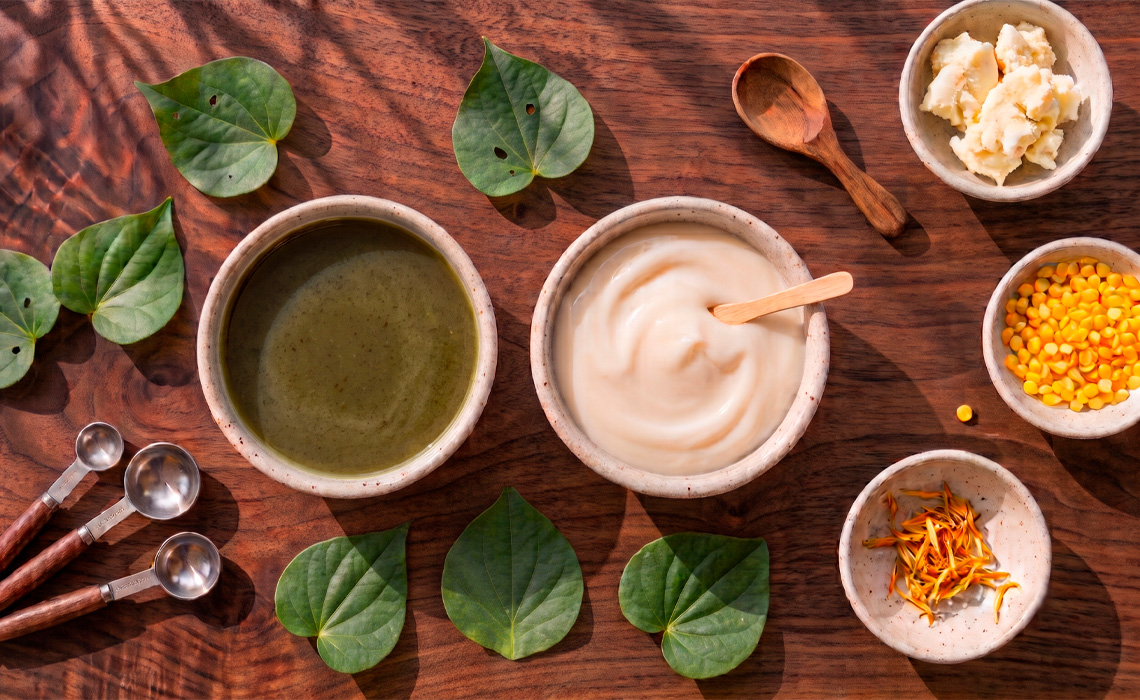
A top-down photograph of natural ingredients on a dark wooden surface. Centred are two large bowls, one containing a dark green liquid and the other a thick, cream-coloured paste. Several heart-shaped Kawakawa leaves are placed around the bowls. Three smaller bowls contain solid white chunks, small yellow pellets, and dried orange petals. The scene includes three metal measuring spoons with wooden handles and a wooden spoon

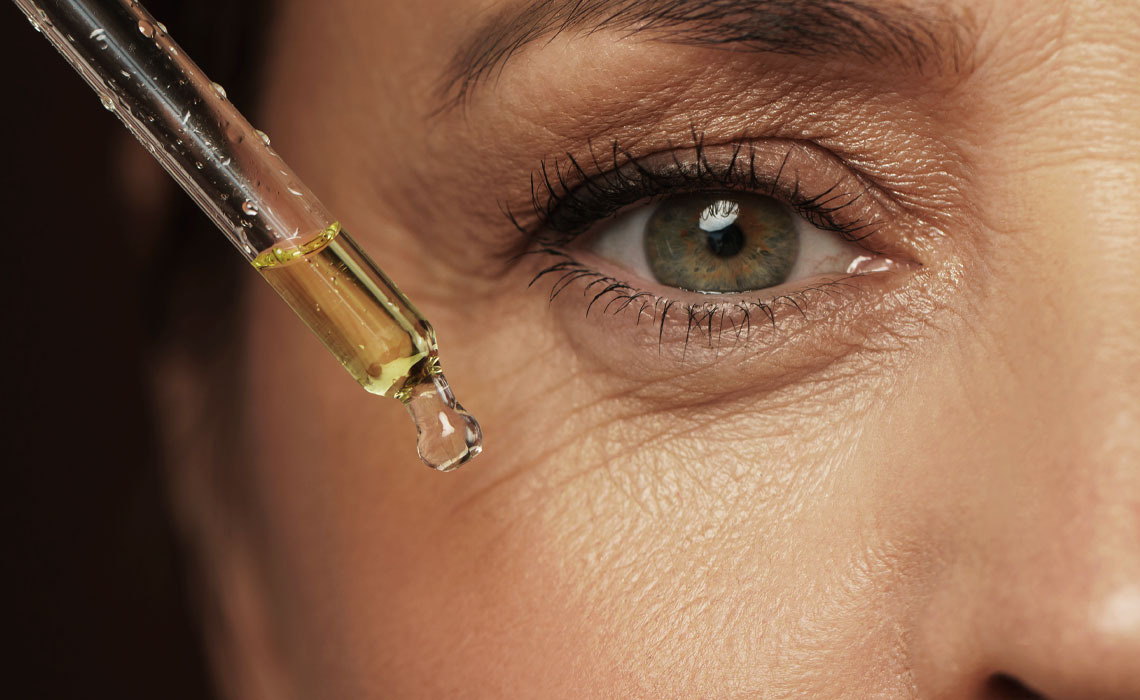
Compare Kawakawa oil vs. moisturiser. Learn how to read ingredient lists and choose the right formula for your skin.
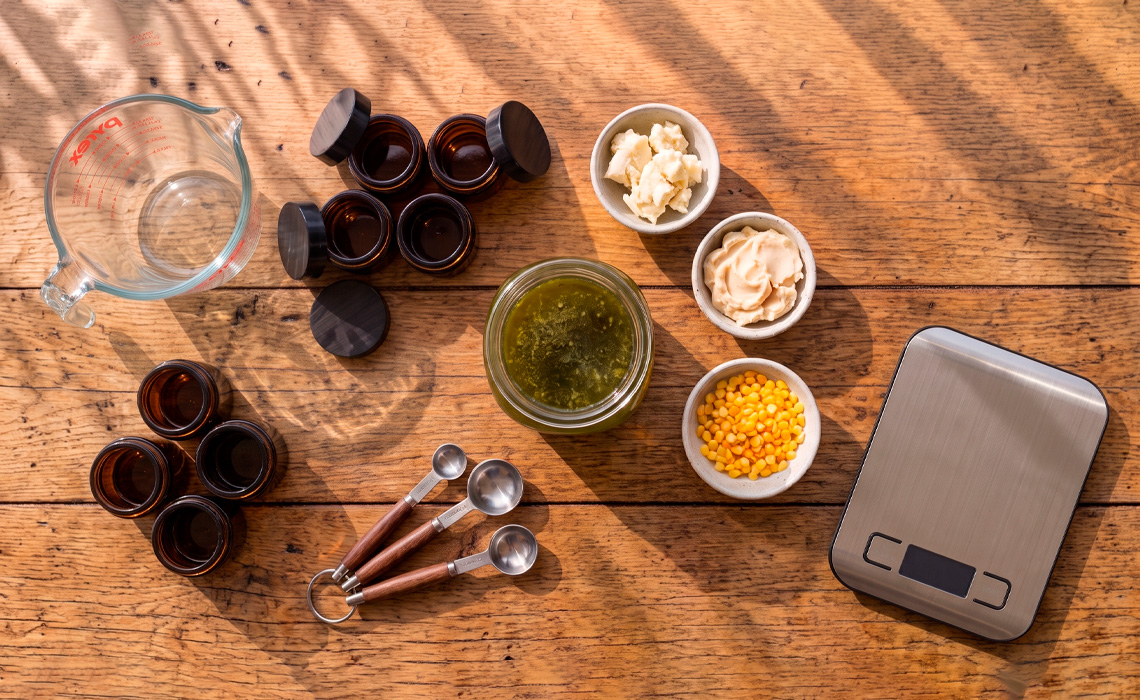
An overhead view of a wooden tabletop featuring a glass measuring jug, several small amber glass jars, and three small ceramic bowls. The bowls contain white solid chunks, a cream-coloured paste, and small yellow-orange pellets. A large glass jar in the centre contains a dark green liquid, commonly seen in Kawakawa infusions. Three metal measuring spoons with wooden handles and a digital kitchen scale are also present

Learn the basics of how to make kawakawa balm, including the simple ingredients commonly used such as kawakawa infused oil, wax, and botanical butter.
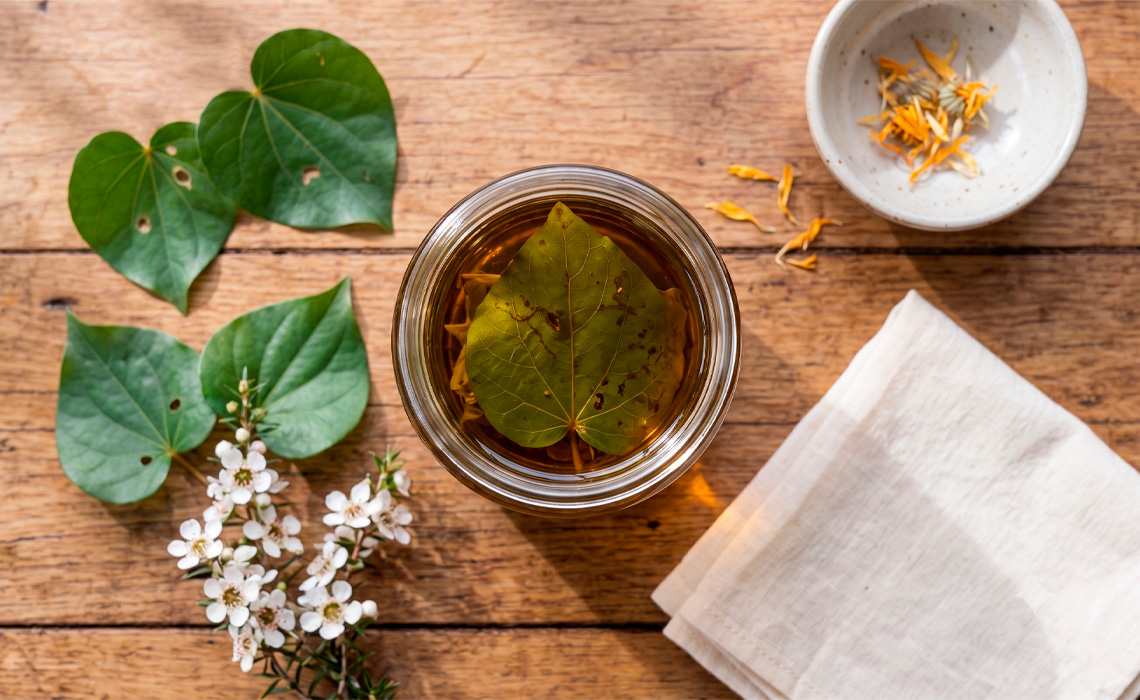
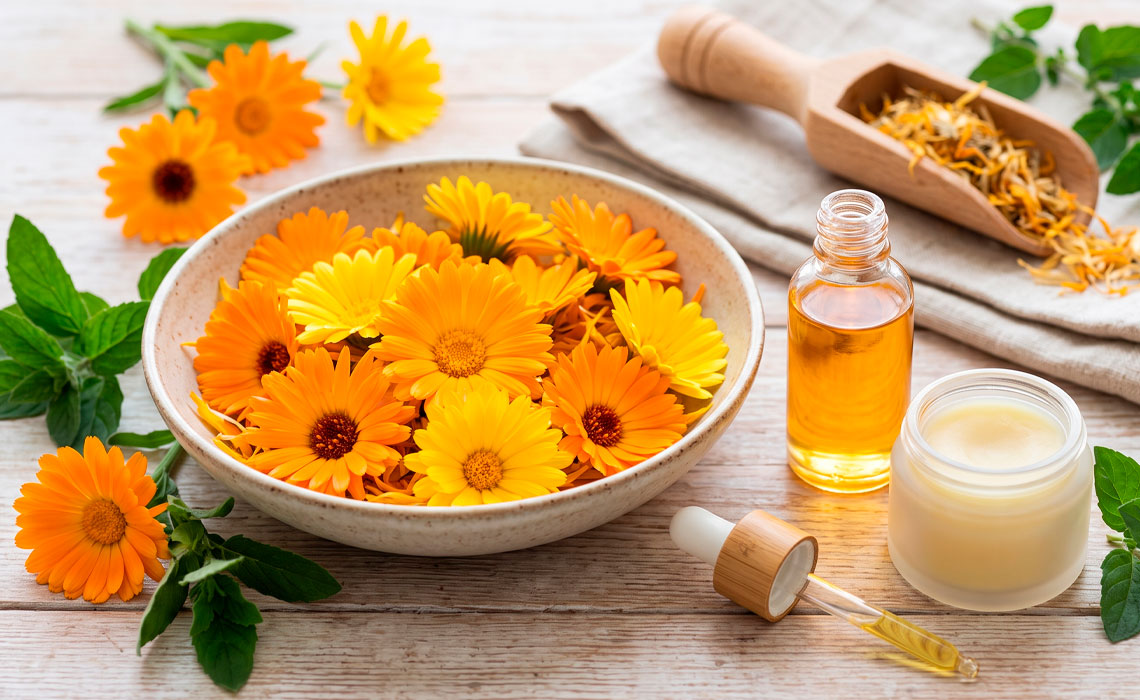
A top-down view of a wooden surface featuring heart-shaped Kawakawa leaves and small white Manuka flowers. A glass jar in the centre contains a golden liquid with a single leaf submerged. A small white bowl with dried orange petals and a folded white cloth sit nearby

Learn the general process of how to make Kawakawa oil, including choosing a carrier oil, gentle heating methods, and what affects the final infusion.
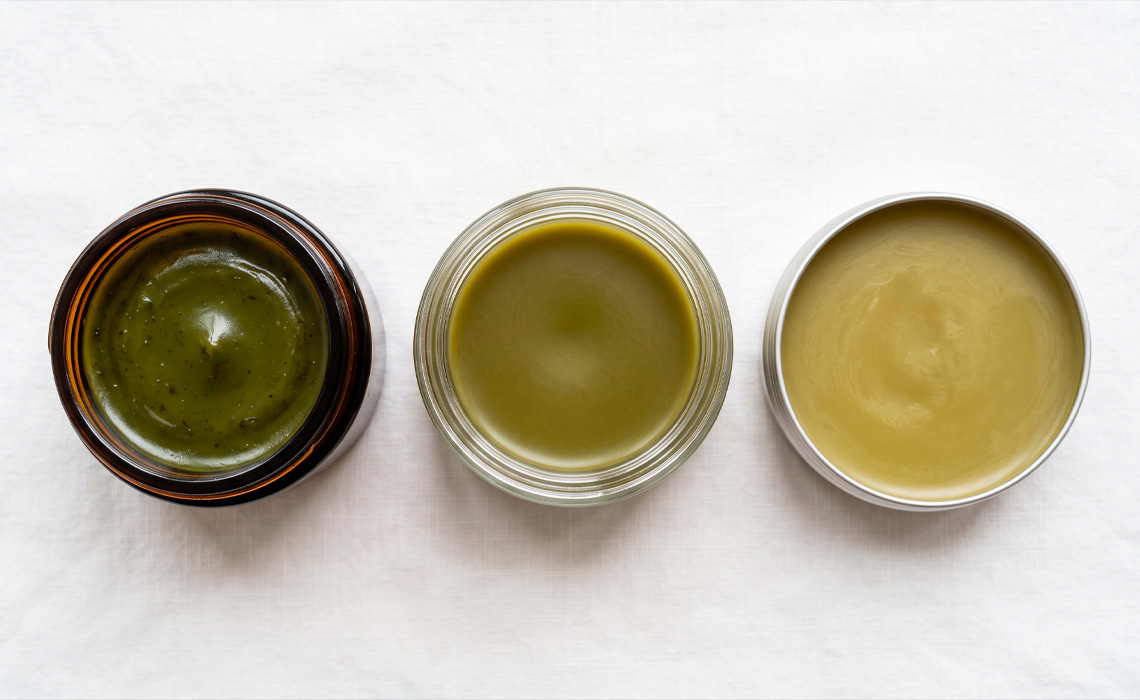
Three open containers of green-coloured balms arranged in a row on a white fabric. On the left, a dark amber glass jar holds a dark green, textured balm. In the centre, a clear glass jar contains a smooth, olive-green balm. On the right, a silver metal tin is filled with a light olive-green balm. These preparations are commonly made with Kawakawa

Learn the difference between kawakawa healing balm and kawakawa barrier balm, and why Eckco uses a claim-free botanical naming style that reflects the formula.

A high-speed photograph of a liquid droplet impacting a surface, presented in a vibrant green colour. The impact creates concentric circular ripples and a central vertical column of liquid topped with a small spherical drop

What is clean skincare? Cut through the marketing noise with our transparent guide to ingredient safety, labeling integrity, and conscious formulation.
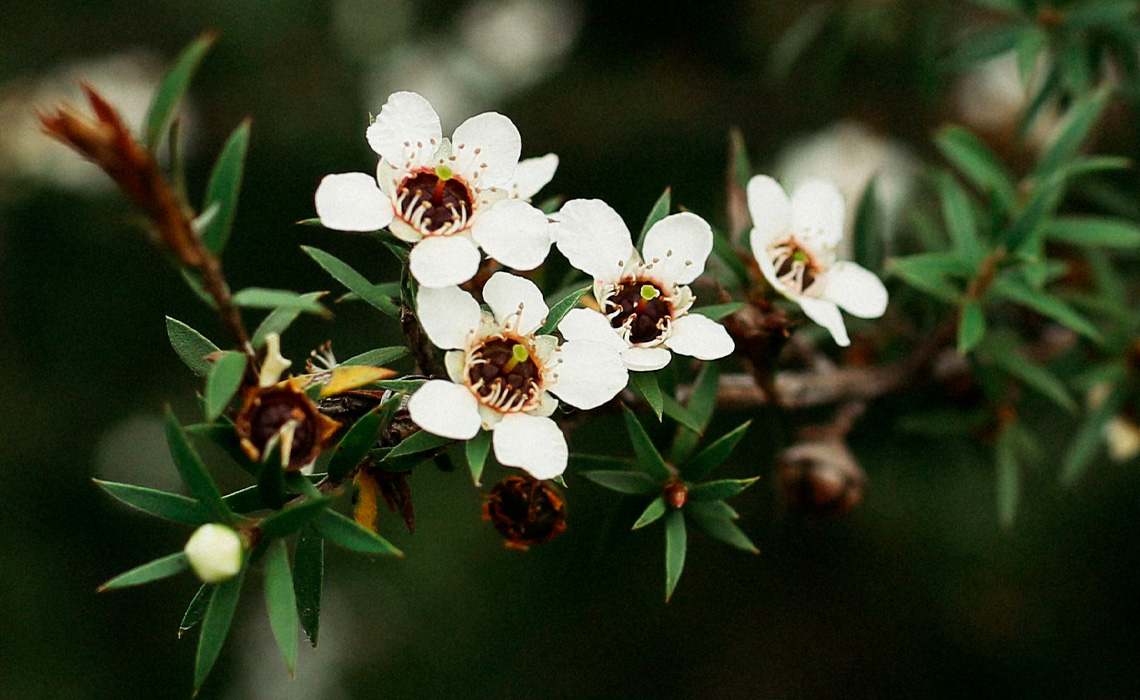
A close-up photograph of mānuka flowers in bloom. The delicate white flowers have five petals and a dark reddish-brown centre with a green stigma. They are surrounded by small, sharp, needle-like green leaves on a woody stem

Discover the distinct manuka oil skincare benefits and how manuka leaf extract skin applications offer pure, natural barrier support for sensitive skin.

A flat lay macro view of a natural green kawakawa balm smear showing a grainy, bumpy texture caused by natural lipid crystallization.

Is your natural balm gritty or bumpy? Don’t worry, it isn’t mold! Learn why plant lipids crystallize and how to easily fix it in minutes.

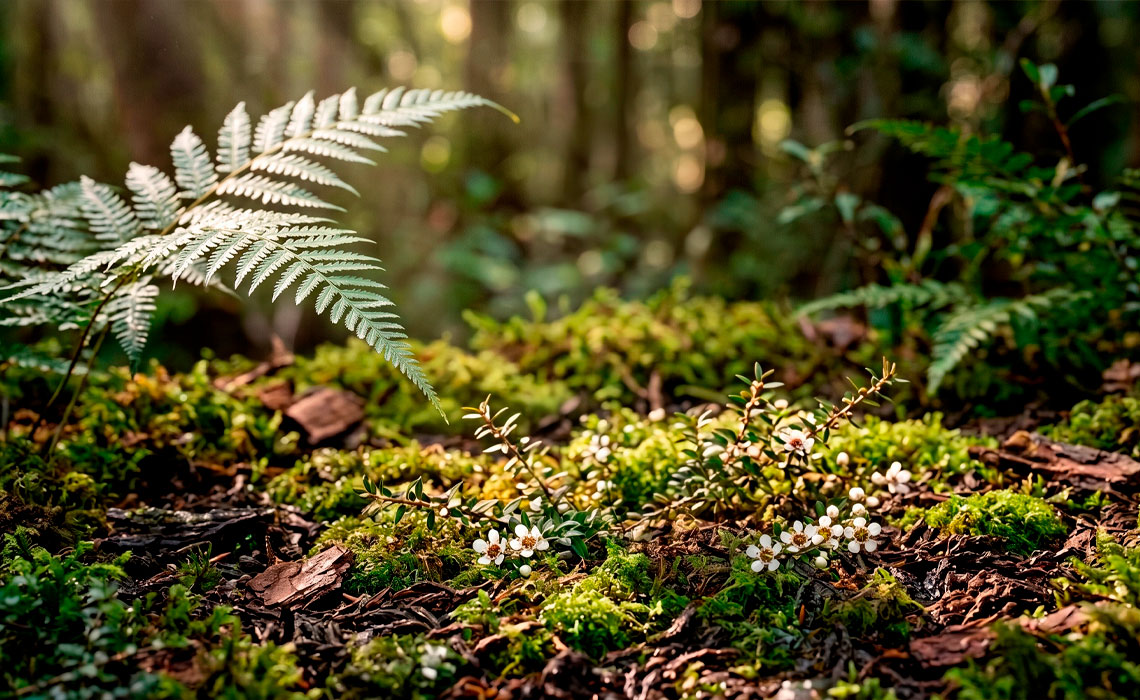
A side-by-side comparison showcase of natural skincare ingredients, emphasising green native Kawakawa leaves on a clean slate background.

Skip heavy tallow and lanolin. Discover why plant-derived Kawakawa Barrier Balm offers skin barrier repair

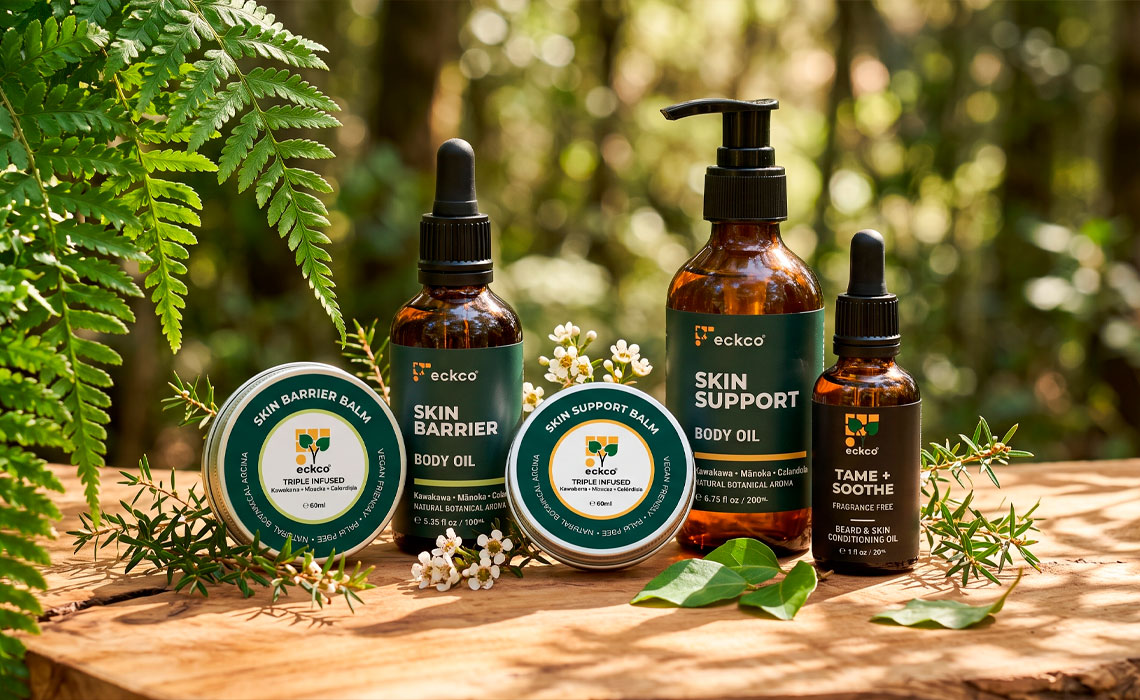
A flat lay of natural fragrance free moisturiser oil alongside green New Zealand Kawakawa leaves

A waterless Kawakawa oil designed for dry and sensitive skin. This fragrance-free formulation features native New Zealand botanicals.

Illustration of typical yellowish flakes on an infant's scalp, representing cradle cap

Learn gentle newborn skincare tips. Soothe cradle cap and chafing naturally, avoid mineral oils, and discover a relaxing infant massage routine.